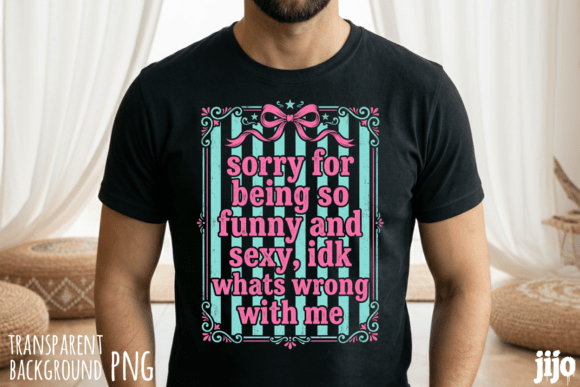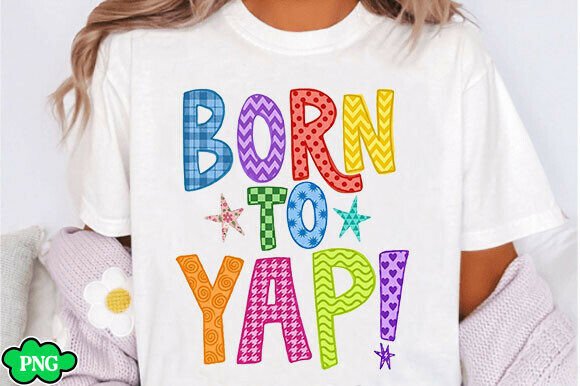
Born to Yap PNG: Doodle Design for Graphic Tees
There is a specific energy that comes with the Born to Yap PNG, Doodle PNG, Graphic Tee digital file. It is not just another piece of clipart; it is a statement piece designed for makers who want to inject personality into their physical products. If you have been scrolling through stock libraries looking for something that feels hand-drawn, authentic, and ready for production, this asset bridges the gap between a rough sketch and a professional-grade design. It captures that "doodle" aesthetic—playful, slightly imperfect, and undeniably human—which is exactly what resonates with modern audiences tired of sterile, corporate vector art.
The Anatomy of the "Doodle" Aesthetic
Visually, this design relies on the charm of line art. Unlike heavy block letters or overly polished vector graphics, the Born to Yap style mimics the natural variation of a pen on paper. This creates a texture that digital tools often struggle to replicate organically. When you apply this to a garment, specifically a graphic tee, it softens the garment. It makes the clothing feel approachable and casual. The "yap" theme implies conversation, social energy, and perhaps a bit of extroversion, making it a perfect fit for the current market where self-expression is the primary driver of apparel sales. The visual personality here is loud but friendly, making it an excellent centerpiece for branding that targets a younger, social-media-savvy demographic.
Why High-Resolution PNGs Matter for Production
One of the most critical technical aspects of this file is the specification: 300 DPI with a transparent background. For the uninitiated, DPI stands for Dots Per Inch. While 72 DPI is standard for web, 300 DPI is the non-negotiable standard for print. This ensures that when you scale the design for a large chest print on a t-shirt or a detailed decal for a planner, the lines remain crisp and do not pixelate. The transparent background is equally vital. It allows the design to "float" on any colored fabric or paper without a white box surrounding it. This is essential for professional-looking merch. You can drop this Born to Yap PNG onto a black hoodie, a pastel tote bag, or a kraft paper card, and it integrates seamlessly with the surface color.
Practical Applications for Makers and Entrepreneurs
The versatility of a high-quality digital file like this extends far beyond just apparel. While the prompt mentions it is perfect for a graphic tee, limiting it to clothing would be a missed opportunity for small business owners and crafters. Because the file is optimized for Cricut, Silhouette, and other cutting machines, the workflow is streamlined. You do not need to manually trace the image or clean up jagged edges; the machine reads the vector paths or high-res bitmap data to cut precisely.
Consider these real-world applications:
- Sticker Sheets: The doodle style is incredibly popular in the planner community. Die-cut stickers featuring this text sell well on Etsy and at craft fairs.
- Sublimation Mugs: Because the background is transparent, you can wrap this design around a mug without worrying about background color clashes.
- Greeting Cards: Use this as the focal point for a "thinking of you" or humorous birthday card. The handwritten feel adds a personal touch that printed fonts often lack.
- Frame Art: For home decor, this works as a standalone piece of typography art. Printed on matte paper and framed, it serves as a conversational piece for a home office or living room.
Brand Identity and Audience Engagement
For entrepreneurs, choosing the right design assets is about more than just aesthetics; it is about brand perception. Using a doodle-style graphic signals to your audience that your brand is creative, relaxed, and perhaps a bit humorous. It creates an emotional connection. When a customer sees a graphic tee with hand-drawn art, they perceive it as having more value than a generic printed shirt because it feels artisanal. This is a key component of modern brand identity—moving away from the mass-produced look and toward the curated, craft-centric aesthetic. The "Born to Yap" message specifically targets a demographic that values communication, storytelling, and social connection, making it a strong anchor for lifestyle brands.
Workflow Integration and Design Tips
When integrating the Born to Yap PNG into your projects, think about contrast and placement. Because the line work is likely detailed (typical of doodle styles), it requires a background that doesn't compete visually. If you are placing this on a patterned fabric, consider putting a solid shape behind the text to ensure legibility. This is a standard practice in editorial design and packaging design known as creating a "knockout" or using a "bounding box."
Furthermore, think about font pairing if you plan to add additional text to your design, such as a date, location, or secondary slogan. Since the main graphic is a handwritten/display style, you should pair it with a clean, legible sans serif font. Avoid using other script or handwritten fonts, as this will create visual clutter. A simple sans serif provides a resting place for the eyes and ensures the "Born to Yap" remains the hero of the composition. This balance is crucial for visual hierarchy, ensuring that the viewer's eye goes exactly where you want it to go first.
Maximizing Your Investment
Treat this download not just as a single image, but as a component of your broader library of creative fonts and graphics. A single high-quality PNG can be the catalyst for a whole product line. You might start with the graphic tee, but successful designs often expand into mugs, hats, and tote bags. By starting with a 300 DPI file, you future-proof your work. You have the resolution needed for large format printing and the clean edges required for vinyl cutting. Whether you are a hobbyist making gifts for friends or a small business owner stocking an online shop, the Born to Yap PNG, Doodle PNG offers the flexibility and quality needed to produce professional results. It is a practical tool for anyone looking to turn a digital idea into a tangible, sellable product.