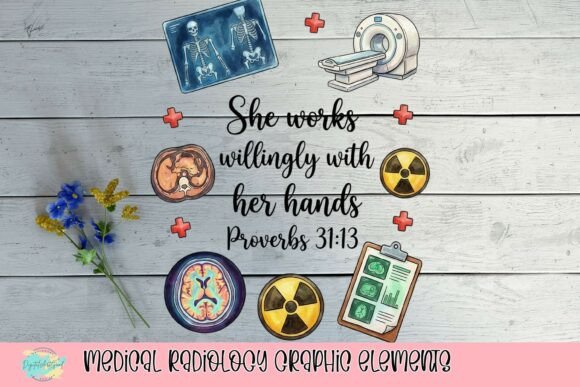
Medical Radiology Graphic Elements: Visualizing Healthcare
In the world of healthcare marketing and design, clarity and professionalism aren't just nice-to-haves—they're non-negotiable. But how do you make complex medical topics like radiology visually engaging without sacrificing accuracy? That's where thoughtful graphic design steps in, and having the right visual toolkit can transform a bland presentation into a compelling story. Think about the last time you saw a medical brochure or website that truly caught your eye. Chances are, it used high-quality, relevant imagery that communicated trust and expertise instantly.
A Toolkit for Modern Medical Communication
This collection of Medical Radiology Graphic Elements offers exactly that kind of visual power. It's not just a random set of icons; it's a curated suite designed specifically for the healthcare sector. The PNG images feature a cohesive style—colorful yet clean illustrations that feel both professional and approachable. You'll find key radiology visuals like a detailed X-ray of a human skeleton, a modern CT scanner, and various medical scan representations. These aren't just decorative; they're educational, helping to demystify the technology for patients and stakeholders alike.
Beyond the core equipment, the set includes essential contextual elements: radiation symbols that instantly communicate the field's focus, and a clipboard with medical records that ties the imagery to the clinical workflow. The overall aesthetic is modern and versatile, avoiding the overly clinical, sterile look that can feel cold. Instead, it uses color and form to create graphics that are informative and visually appealing. Because the files are in PNG format with transparent backgrounds, they integrate seamlessly into any project—whether you're layering them over a photo, placing them on a colored background, or incorporating them into a complex layout.
Where These Elements Shine: Real-World Applications
The true value of a design asset is measured by its utility. For Medical Radiology Graphic Elements, the applications are vast and practical. For graphic designers and branding specialists, these are foundational pieces for creating a cohesive brand identity for clinics, diagnostic centers, or health-tech startups. Use them to build a logo design that incorporates a subtle scanner icon, or develop a full suite of design assets for a client's web design and packaging design needs.
Marketers and content creators will find them invaluable for social media graphics, blog post headers, and email campaigns. A well-placed illustration of a CT scanner can break up text and add immediate relevance to an article about diagnostic procedures. For publishers and those in editorial design, these elements enhance medical textbooks, patient education materials, and magazine features, adding visual interest and aiding comprehension.
Even small business owners and entrepreneurs in the healthcare space can leverage these graphics. Imagine a local imaging center using them on their appointment reminder cards, their website's "About Our Technology" page, or in lobby informational displays. The consistency of using a professional, unified set of graphics across all touchpoints—from digital to print—builds recognition and reinforces a perception of quality and care. It’s a practical way to elevate your visual communication without needing a massive budget.
Making It Work: Practical Design Guidance
Integrating any graphic element successfully requires a bit of strategy. Here’s how to get the most out of this radiology set.
First, consider the context and audience. These illustrations have a specific, technical personality. They work best where that specificity is an asset—in materials for healthcare professionals, in patient-facing educational content, or in B2B communications within the medical industry. They might feel out of place in a general wellness blog or a fitness app, where a broader health icon set would be more appropriate.
Next, focus on visual hierarchy and pairing. These graphics are detailed, so they should be used as focal points or supporting illustrations, not as tiny, repetitive icons. Pair them with clean, highly legible typefaces. A modern sans serif font for body text and a strong, clear serif font or a clean display font for headings often creates a balanced, professional look. Avoid overly decorative script fonts or handwritten fonts for primary text, as they can clash with the precise nature of the imagery and hinder readability.
Finally, mind the technical details. The transparent PNG format is a huge plus, but ensure you're using the images at an appropriate resolution for your medium—high enough for print, optimized for fast loading on the web. When using the radiation symbol or medical records imagery, double-check that your usage aligns with any relevant guidelines or conveys the intended meaning accurately. Thoughtful application turns these from mere decorations into powerful tools for clarity, engagement, and building trust with your audience.